⛳️
Default Bias
Making a decision usually requires effort, and it's easier for them to just accept the default option.
Featured in 6 UX Bites
Similar psychology:
Likely impacts:
Last updated: 03/11/2026
How to utilise this in your designs
If there's a good reason to ask for more, e.g., rainy weather, you could pre-select a higher tip than usual, as many people simply stick with the default amount.

Example from Uber
When users name something they've made, try pre-filling the name from its first line and highlighting it, so they can accept the default or delete it in one keystroke.

Example from Google
Where users must set a tricky figure like a price, one option is to suggest a default based on similar bookings nearby, so they don't have to calculate it themselves.
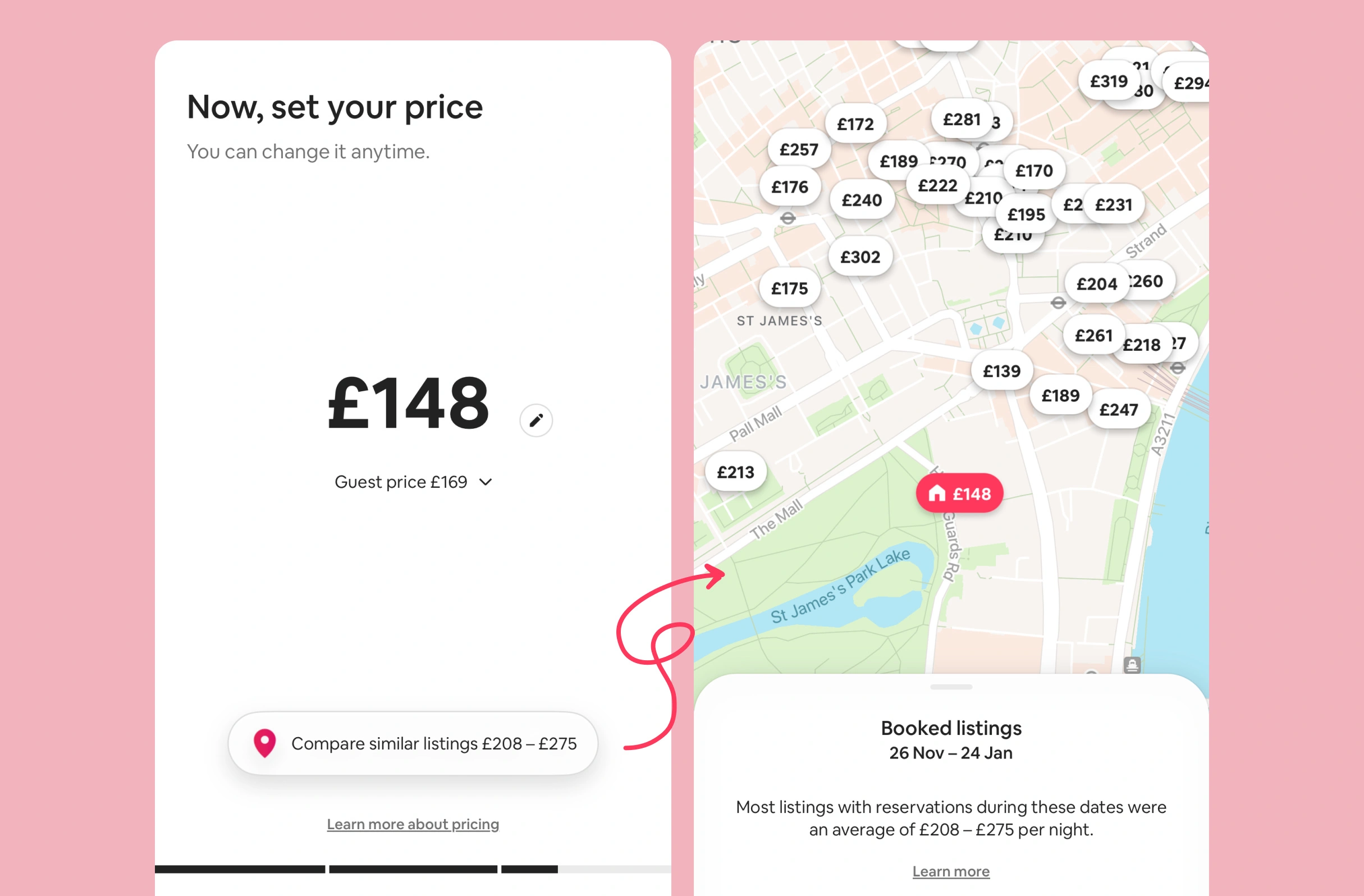
Example from Airbnb
After users pick a few interests, consider offering a ready-made starter pack of items to add, so the default selection spares them choosing each one individually.

Example from Apple
For settings users can't easily judge, it may help to show how much most people need, so the suggested default feels like a safe choice to accept.
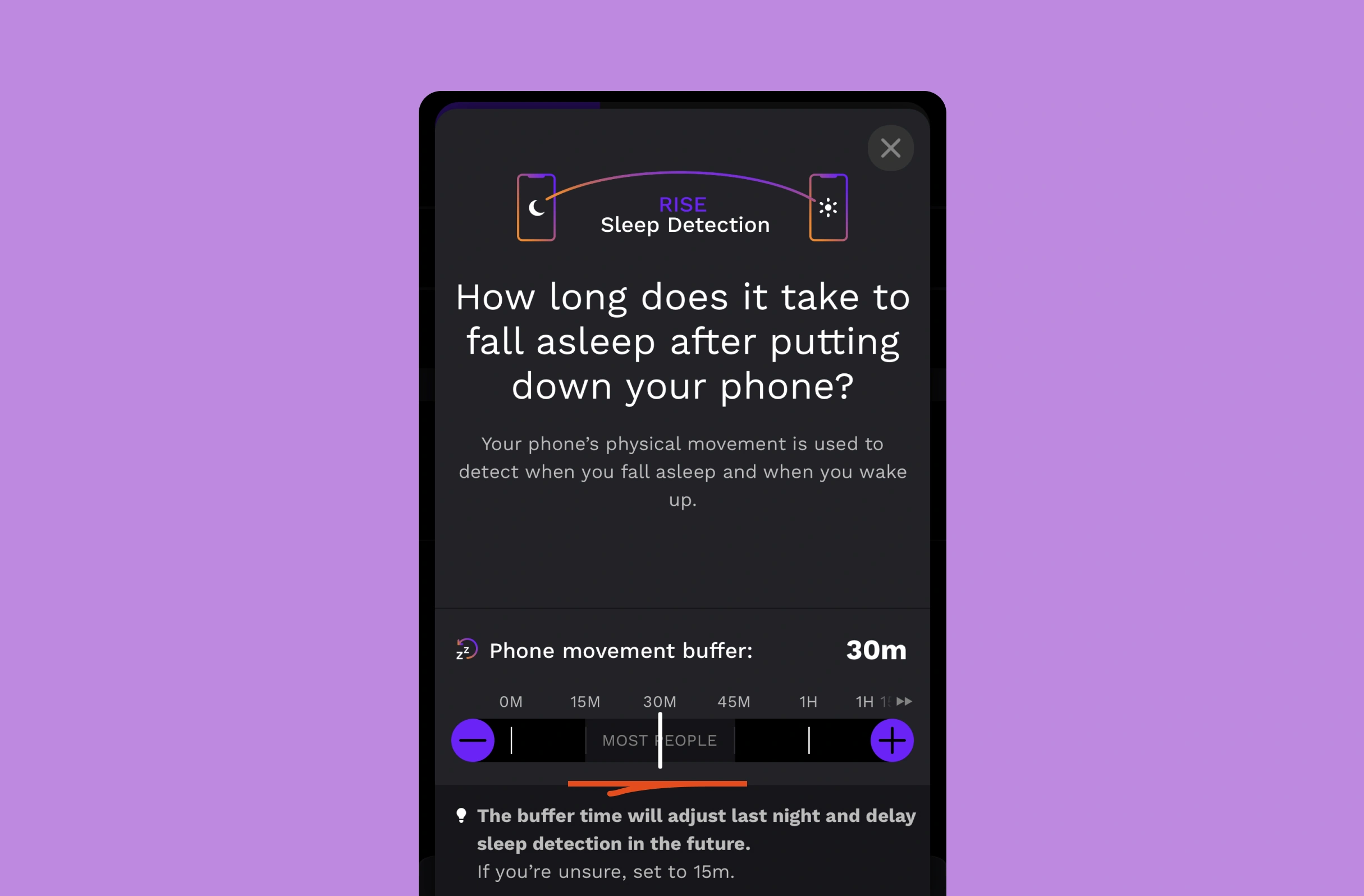
Example from Rise Sleep Tracking
Possible impacts
Pre-selecting the option you recommend could lift conversion rates, as many users accept the default rather than spend effort comparing the alternatives.
Switching a useful feature on by default, with an easy way to turn it off, may increase how many people use it, as most users leave settings as they find them.


Removing the choice to continue, e.g., automatically starting the next item, might help users build habits, as carrying on becomes the default rather than a decision.


Sensible pre-filled defaults, like names or values, could help users get through tasks faster, as they can accept what's there rather than start from blank.
Good defaults might reduce the effort needed to finish a long flow, making users less likely to give up when faced with a series of decisions.


Setting a higher amount as the default, e.g., a larger tip or a bundle, could increase how much customers spend, as many stick with it rather than lower it.

Written by Peter Ramsey
Published: