🍯
Intentional Friction
On occasion, it can be beneficial to intentionally add friction into a process.
Featured in 18 UX Bites
Similar psychology:
Likely impacts:
Last updated: 03/11/2026
How to utilise this in your designs
If someone tries to buy the same item twice in quick succession, you could add intentional friction to check it's deliberate, so they don't pay twice by mistake.
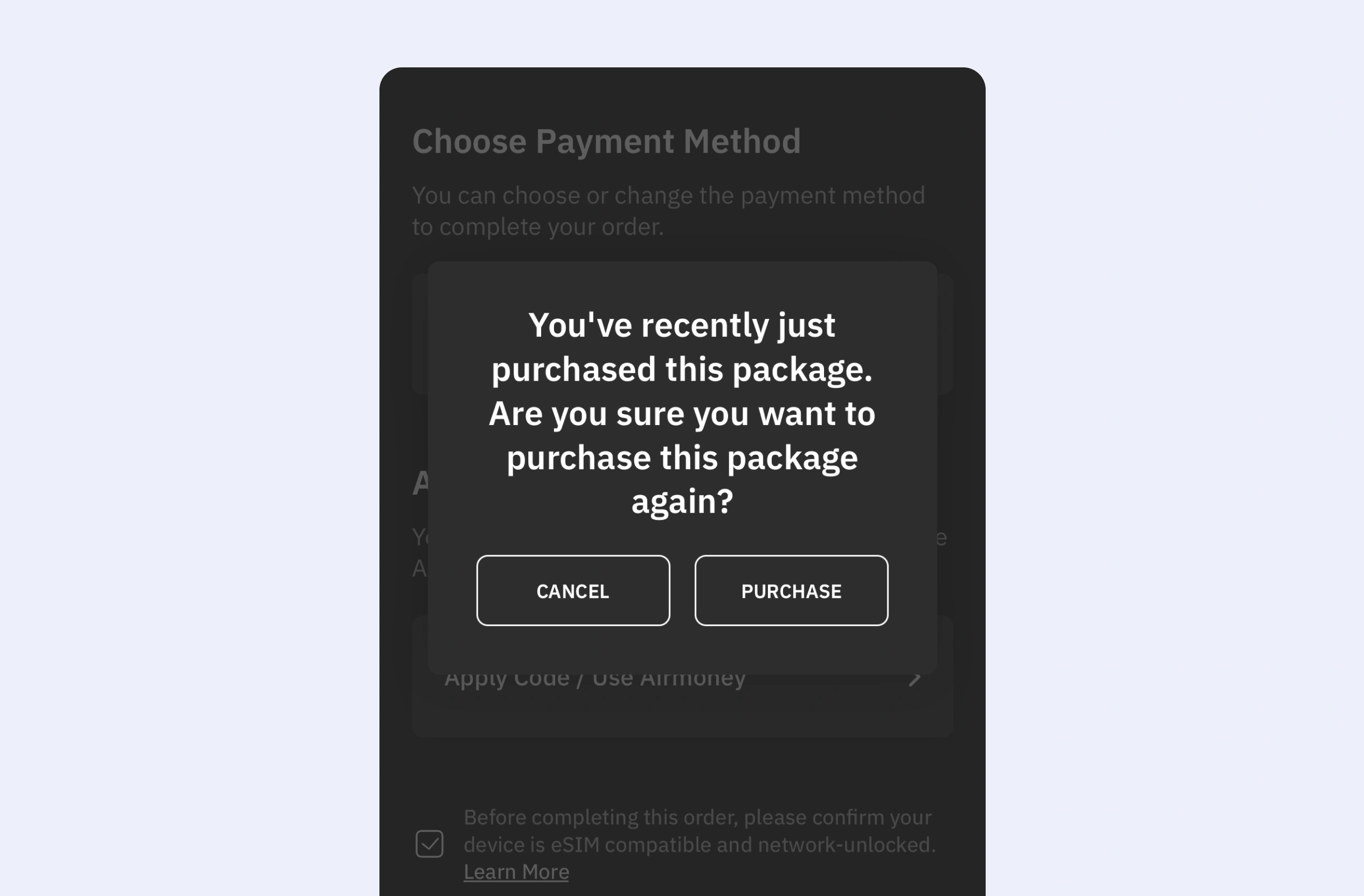
Example from Airalo
Where users must save a code they can't recover later, try requiring a tick box that confirms it's saved and blurs the code, so the step isn't skipped.

Example from Mullvad
For people restoring access to an account that holds money, consider adding a cooldown timer, giving them time to recognise if they're being scammed.

Example from Coinbase
It may help to show a warning on the payment screen when an order is going to an address far from the user's current location, so they catch the mistake before paying.
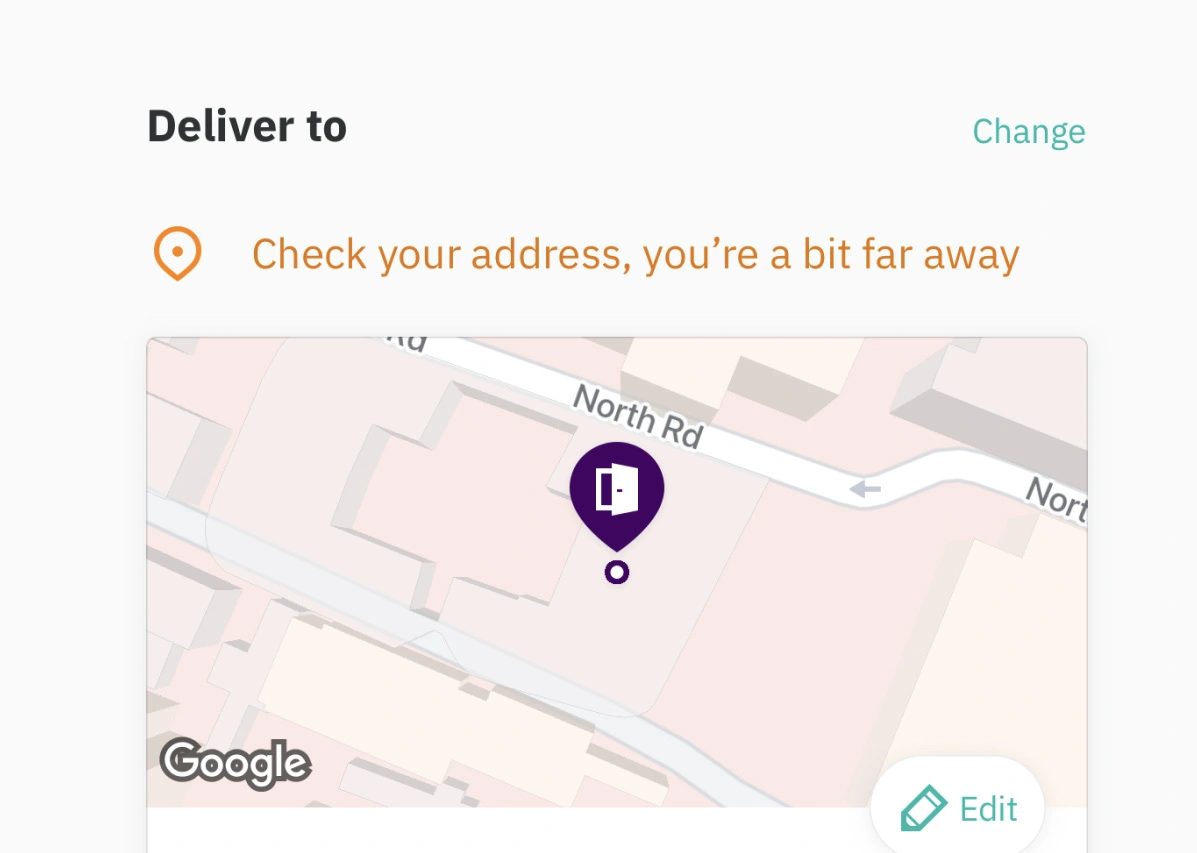
Example from Deliveroo
You could pause the send with a specific warning if a message mentions an attachment but nothing is attached, catching the error at the moment it's most likely.
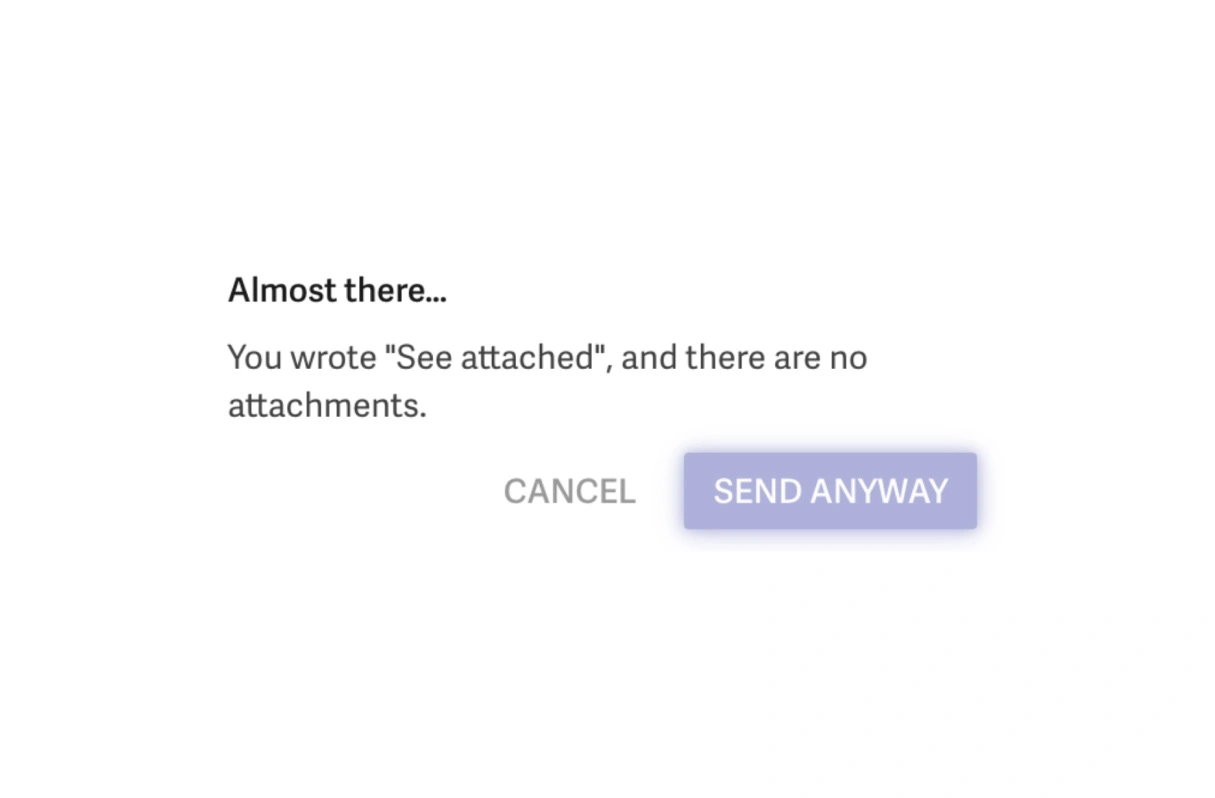
Example from Superhuman
Possible impacts
Pacing new users with intentional friction, e.g., one goal at a time, could reduce churn by stopping them taking on too much early and then giving up.


A specific interruption at the moment of a likely mistake might break users out of autopilot, drawing their attention to details like the address or item before confirming.
Making people pause, e.g., waiting out a cooldown or confirming a code is saved, may help them understand the risk of what they're doing, rather than rushing past it.
Adding friction to duplicate or wrongly addressed orders could lead to fewer accidental purchases, so customers don't pay for something they didn't intend to buy.


Written by Peter Ramsey
Published: