↩️
Reverse Prototype
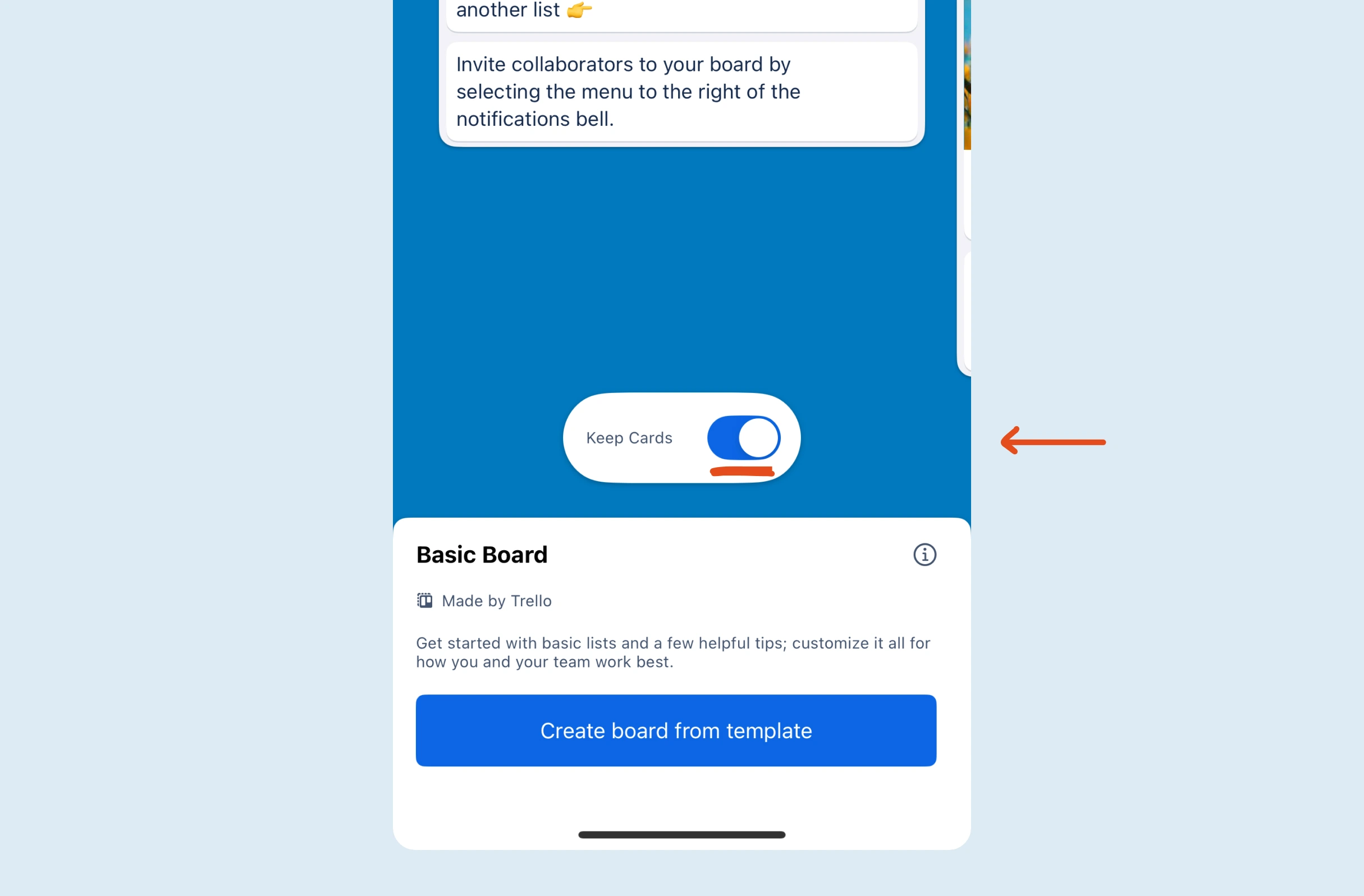
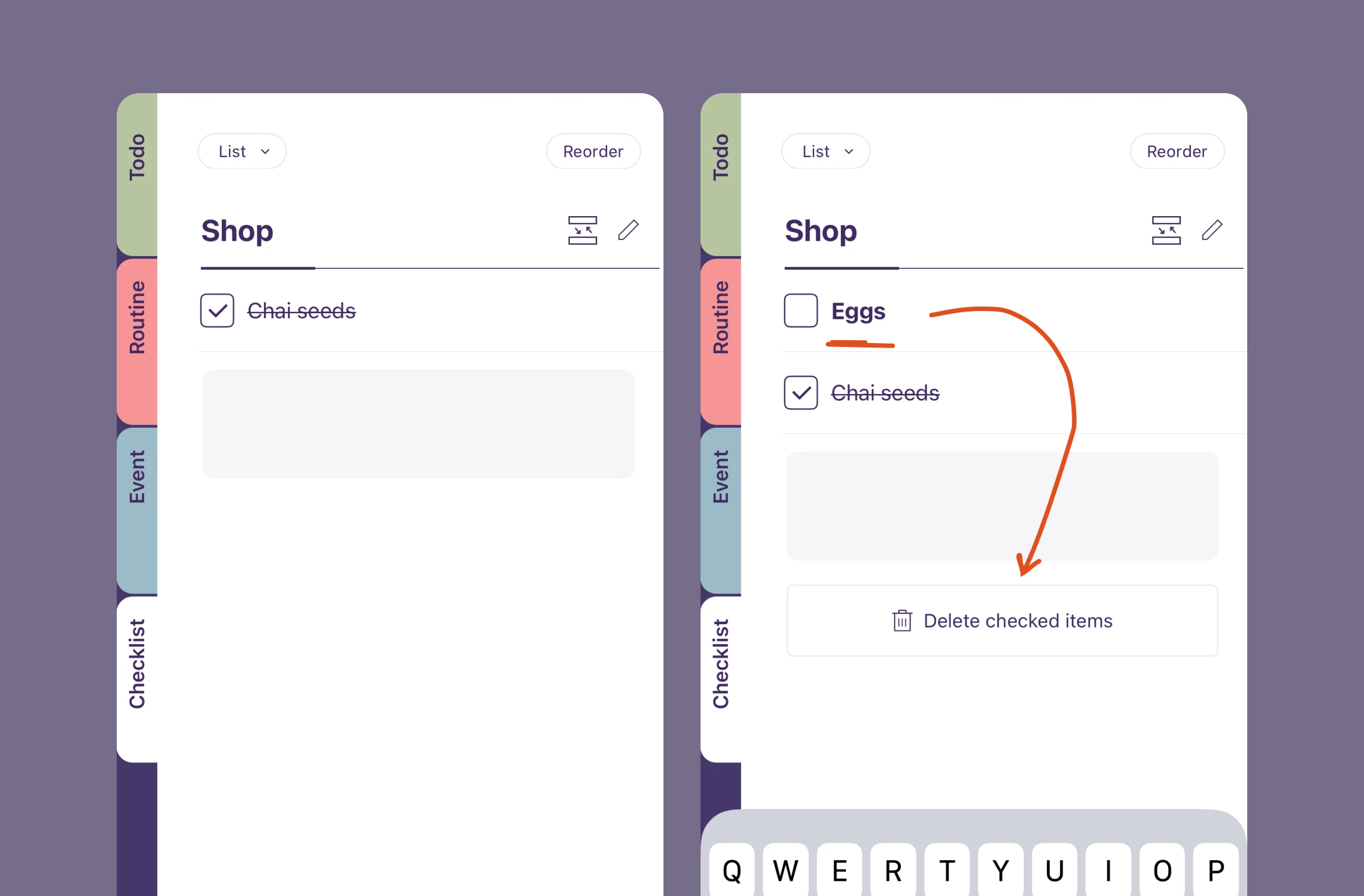
A method of removing existing functionality, views and steps, to see what the minimal viable product is.
Featured in 1 UX Bite
Similar psychology:
Likely impacts:
Last updated: 26/09/2026
How to utilise this in your designs




Possible impacts
A reverse prototype could reduce churn by lowering confusion, though tipping too far might increase churn if users feel it no longer suits their workflow.
Removing unnecessary features in a reverse prototype may increase usage of the remaining features, as they receive more of users' attention.
A reverse prototype that strips unused functionality from a dashboard could help users work more efficiently, as what remains is easier to find and use.
By removing rarely used views and steps, a reverse prototype may help users understand the product more quickly, with fewer concepts to learn up front.
A reverse prototype could clarify what counts as core value, possibly improving perceived value, as users feel less like they're paying for unused features.


Written by Peter Ramsey
Published: