Loading
👞
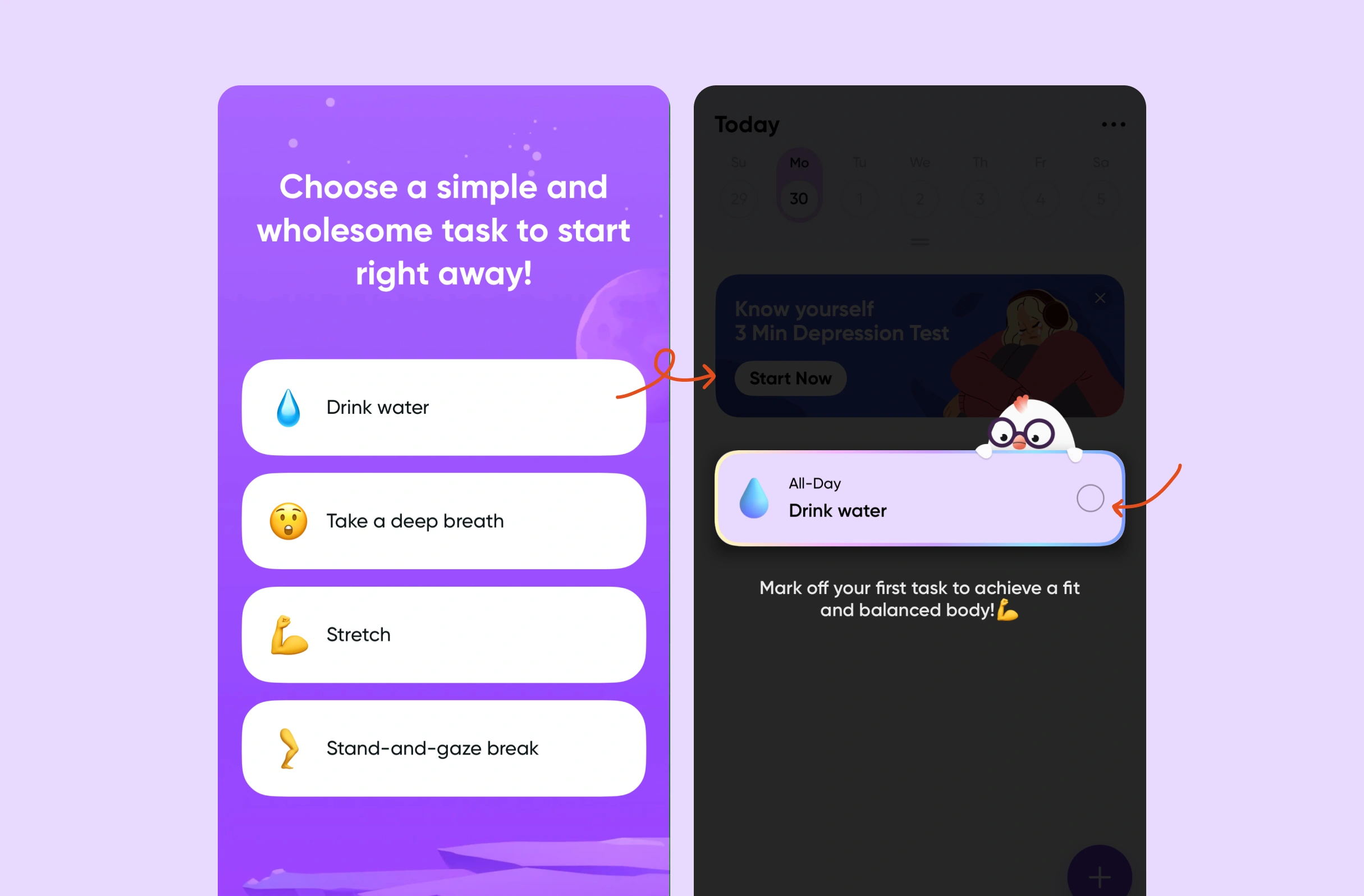
The Foot-in-the-door effect (FITD) explains why people who first agree to a small request, are more likely to then agree to a second, larger one.
Why this works
Psychologists believe that FITD works due to the human tendency to feel involved or indebted to someone (or a company) after they’ve had some level of interaction with that person.
i.e., you are more likely to do favours for people that you know—so one small initial task helps to bridge that gap.
The pioneers of the method, Freedman and Fraser, described it as a method of compliance without pressure.
🔥
Conversion rates
If features can be coded in minutes, thoughtful design is what wins
Get the free content when it's released, straight to your inbox, no account required
"An exceptional resource for learning how to build habit-forming products that people love."
"I’d never met anybody who looks at usability and UX the way I do until I met Peter. Only he’s smarter."
"The completest view of the psychological underpinnings of human behaviour that I’ve ever seen."
"What a nice idea! Christopher Alexander would be proud to see patterns collected like this."
If features can be coded in minutes, thoughtful design is what wins
Get the free content when it's released, straight to your inbox, no account required
"An exceptional resource for learning how to build habit-forming products that people love."
"I’d never met anybody who looks at usability and UX the way I do until I met Peter. Only he’s smarter."
"The completest view of the psychological underpinnings of human behaviour that I’ve ever seen."
"What a nice idea! Christopher Alexander would be proud to see patterns collected like this."
👞
The Foot-in-the-door effect (FITD) explains why people who first agree to a small request, are more likely to then agree to a second, larger one.
Why this works
Psychologists believe that FITD works due to the human tendency to feel involved or indebted to someone (or a company) after they’ve had some level of interaction with that person.
i.e., you are more likely to do favours for people that you know—so one small initial task helps to bridge that gap.
The pioneers of the method, Freedman and Fraser, described it as a method of compliance without pressure.
🔥
Conversion rates
If features can be coded in minutes, thoughtful design is what wins
Get the free content when it's released, straight to your inbox, no account required
"An exceptional resource for learning how to build habit-forming products that people love."
"I’d never met anybody who looks at usability and UX the way I do until I met Peter. Only he’s smarter."
"The completest view of the psychological underpinnings of human behaviour that I’ve ever seen."
"What a nice idea! Christopher Alexander would be proud to see patterns collected like this."
If features can be coded in minutes, thoughtful design is what wins
Get the free content when it's released, straight to your inbox, no account required
"An exceptional resource for learning how to build habit-forming products that people love."
"I’d never met anybody who looks at usability and UX the way I do until I met Peter. Only he’s smarter."
"The completest view of the psychological underpinnings of human behaviour that I’ve ever seen."
"What a nice idea! Christopher Alexander would be proud to see patterns collected like this."