When your audience has its own habits, e.g., developers typing Y or N, try borrowing those habits in sign-up, so it feels made for their tribe rather than for everyone.

Example from GitHub
People enjoy feeling connected in tribes.
Featured in 25 UX Bites. Last updated 21/11/2026
Share it, or apply it with AI.
A line on what it is, a line on why it matters, and the link. Ready for Slack or email.
When your audience has its own habits, e.g., developers typing Y or N, try borrowing those habits in sign-up, so it feels made for their tribe rather than for everyone.
GitHubOn a page about a specific topic, you could swap a small brand detail, like the logo, for a nod only fans would get, so that tribe feels seen.
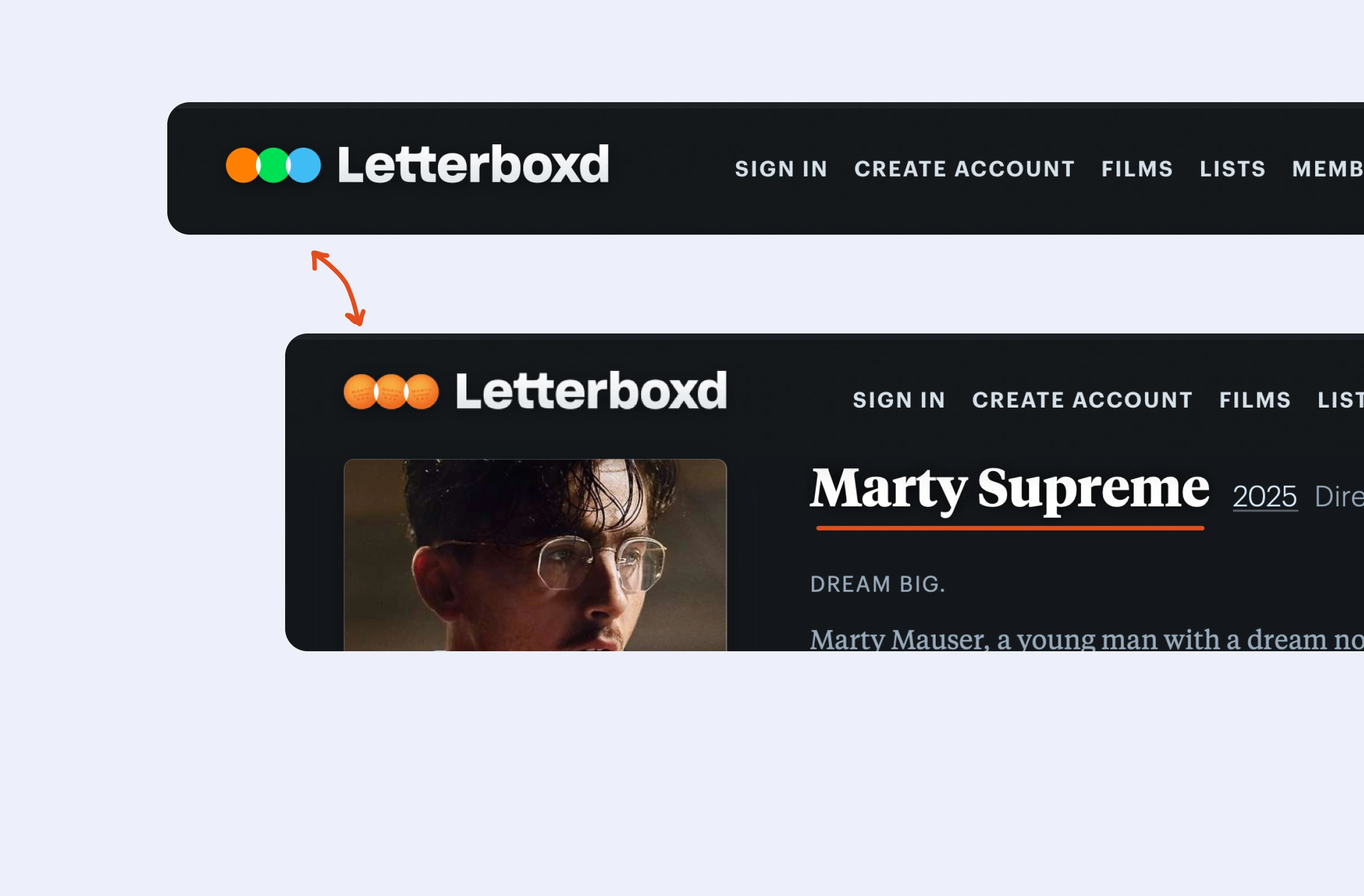
 Letterboxd
When celebrating loyal users, consider including a video from their favourite artist thanking them for being a super fan, giving them a tribal identity worth sharing.
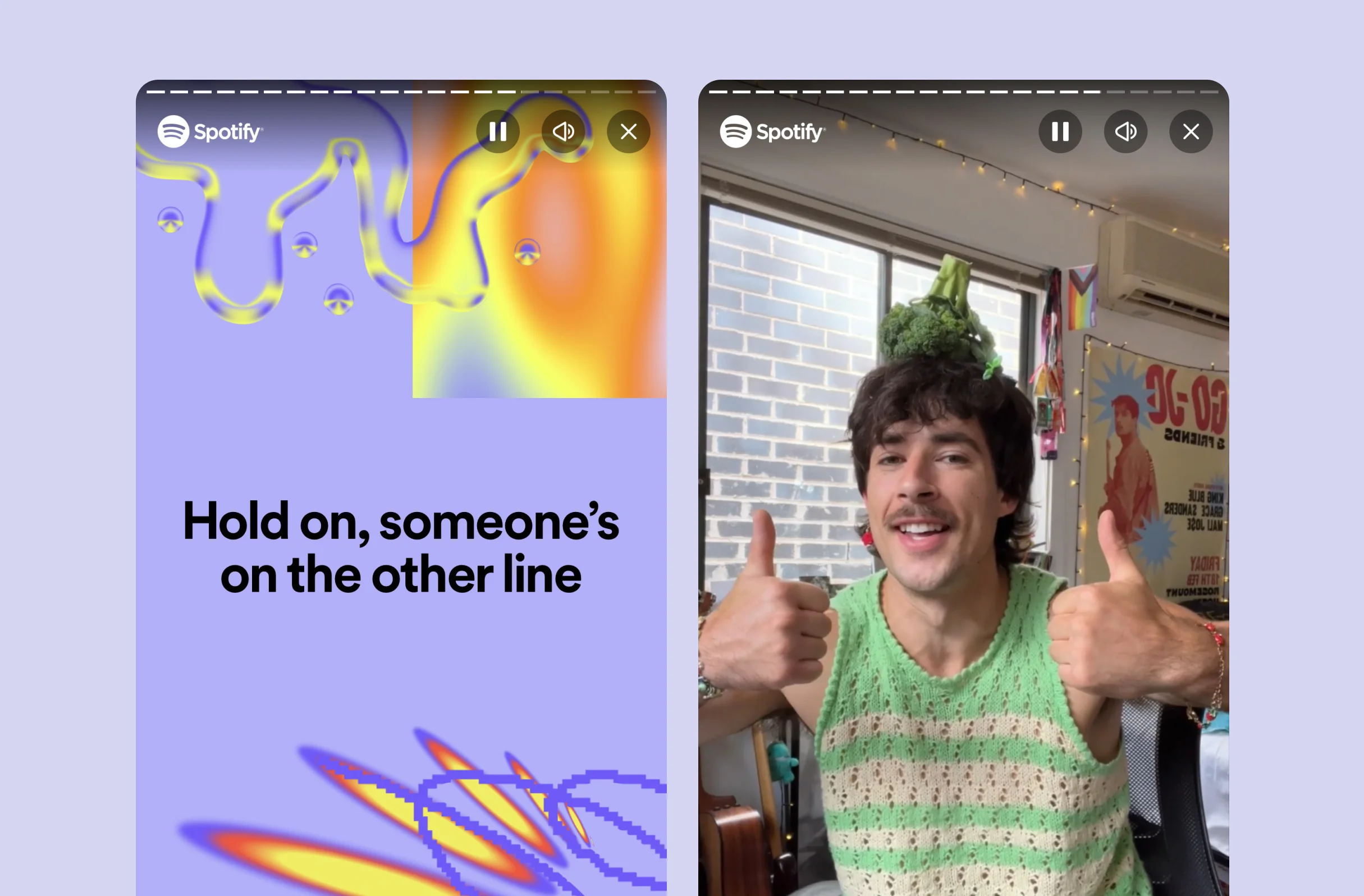
 Spotify
For difficulty labels, one option is to use symbols from the topic itself, e.g., chess pieces for a chess course, so levels speak the tribe's own language.
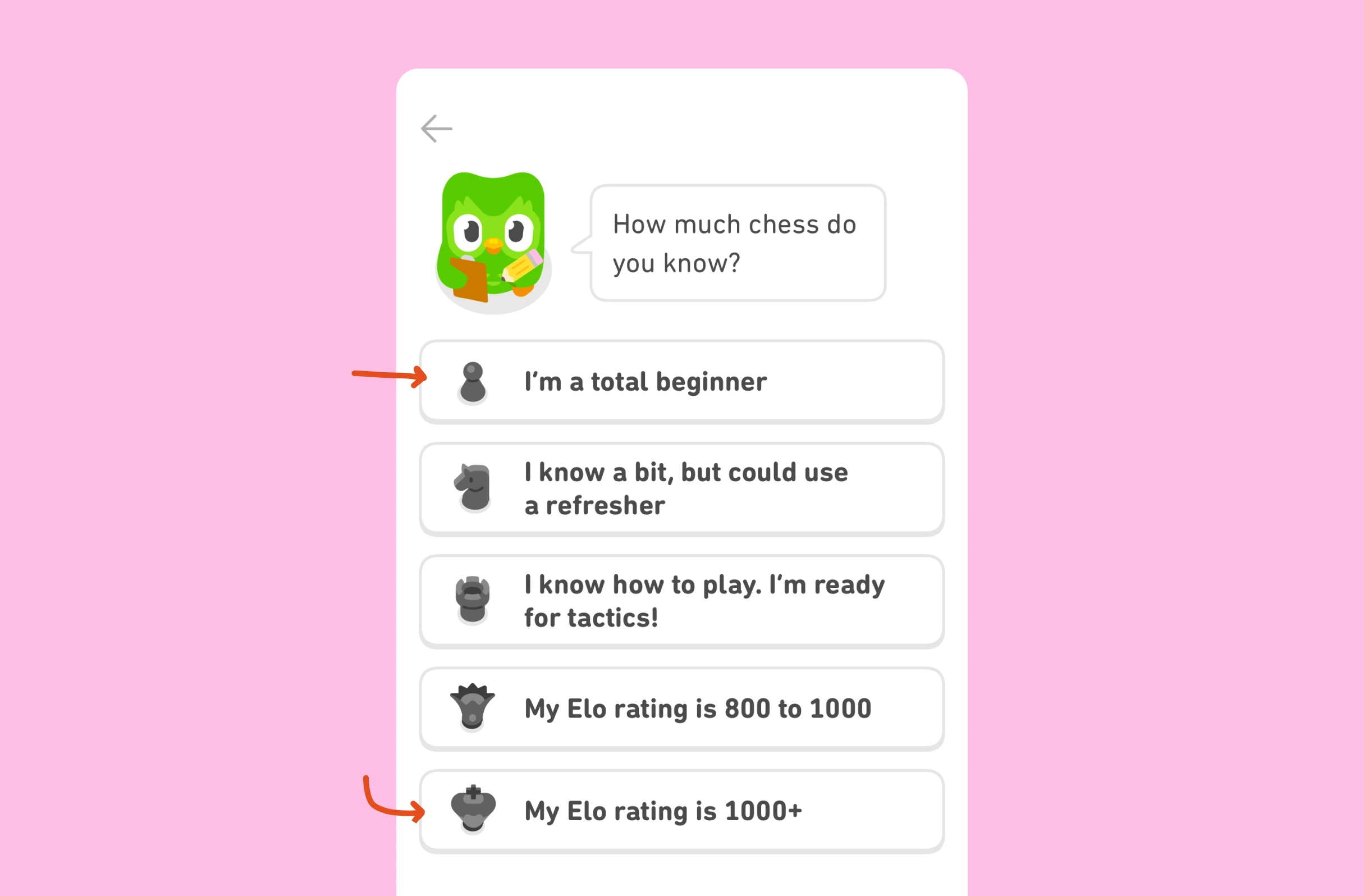
 Duolingo
Rather than hiding weak usage stats, it may help to pair them with cheeky, on-brand comments, so the tone feels like an in-joke shared with your tribe.
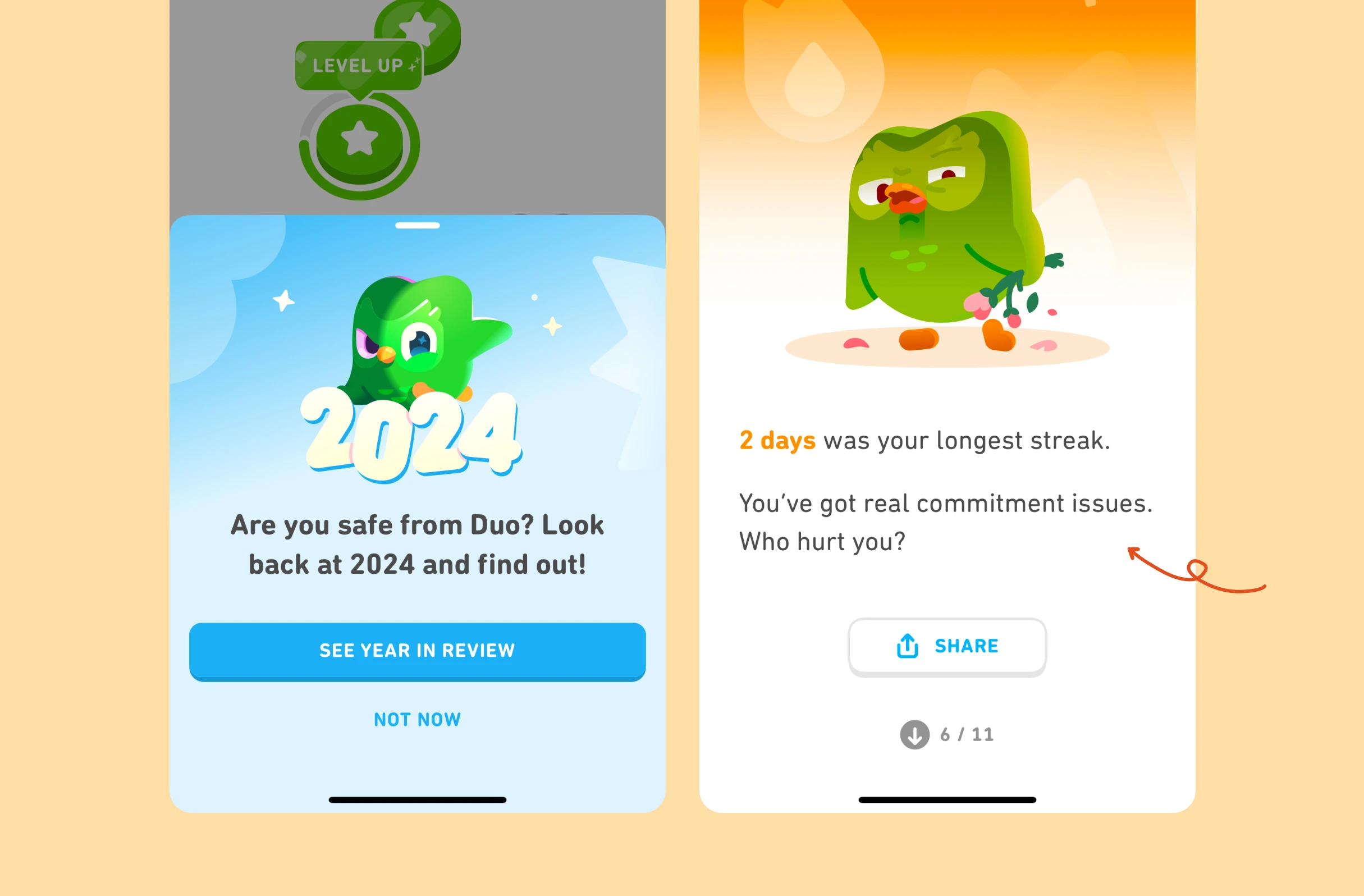 Duolingo
When a product speaks their tribe's language, e.g., a fan-only reference or thanks for being a super fan, users may be more likely to share it with people like them.
Spotting in-jokes and references made for their tribe could leave users feeling understood, which might make everyday moments, like signing up, more enjoyable.
Two ways to apply this to your own product.
Free, on every page
Included with all paid plans.
Paste this into Claude, ChatGPT or Cursor while you're working on your product. Your AI already has the context, so you don't need to explain anything.

Written by Peter Ramsey