Loading
🐨
👀
There's a non-linear correlation between context given, and follow-on questions not answered.
The result of giving a little context, creates ambiguity—hence the term Fuzzy Context.

🧵
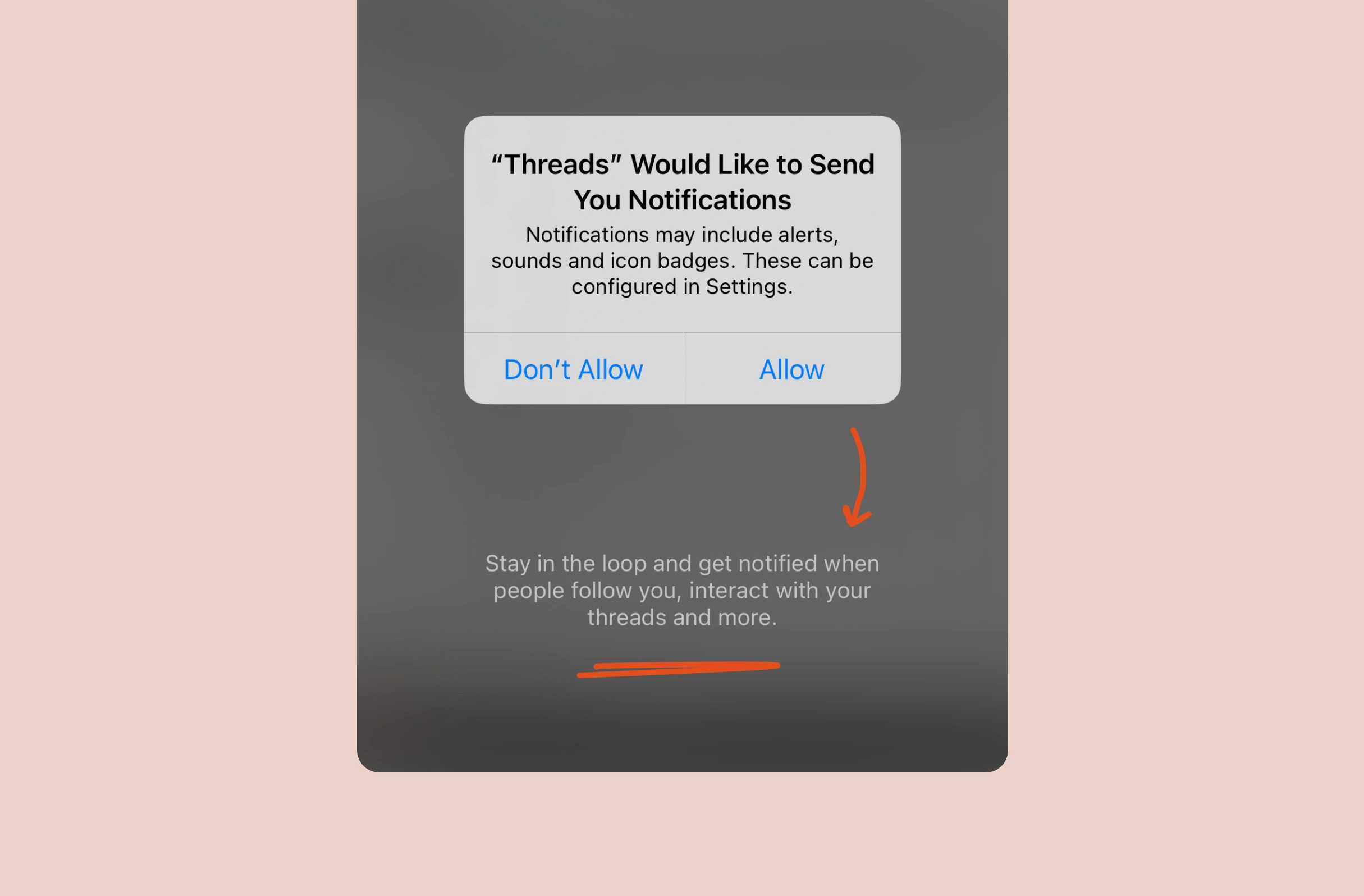
Most common example:
This happens all the time on sign-up flows.
Companies will introduce a concept too early (such as the need to verify their ID), but before the step where they actually provide context for why they need to do it.
🔥
If features can be coded in minutes, thoughtful design is what wins
Get the free content when it's released, straight to your inbox, no account required
"An exceptional resource for learning how to build habit-forming products that people love."
"I’d never met anybody who looks at usability and UX the way I do until I met Peter. Only he’s smarter."
"The completest view of the psychological underpinnings of human behaviour that I’ve ever seen."
"What a nice idea! Christopher Alexander would be proud to see patterns collected like this."
If features can be coded in minutes, thoughtful design is what wins
Get the free content when it's released, straight to your inbox, no account required
"An exceptional resource for learning how to build habit-forming products that people love."
"I’d never met anybody who looks at usability and UX the way I do until I met Peter. Only he’s smarter."
"The completest view of the psychological underpinnings of human behaviour that I’ve ever seen."
"What a nice idea! Christopher Alexander would be proud to see patterns collected like this."
🐨
👀
There's a non-linear correlation between context given, and follow-on questions not answered.
The result of giving a little context, creates ambiguity—hence the term Fuzzy Context.

🧵
Most common example:
This happens all the time on sign-up flows.
Companies will introduce a concept too early (such as the need to verify their ID), but before the step where they actually provide context for why they need to do it.
🔥
If features can be coded in minutes, thoughtful design is what wins
Get the free content when it's released, straight to your inbox, no account required
"An exceptional resource for learning how to build habit-forming products that people love."
"I’d never met anybody who looks at usability and UX the way I do until I met Peter. Only he’s smarter."
"The completest view of the psychological underpinnings of human behaviour that I’ve ever seen."
"What a nice idea! Christopher Alexander would be proud to see patterns collected like this."
If features can be coded in minutes, thoughtful design is what wins
Get the free content when it's released, straight to your inbox, no account required
"An exceptional resource for learning how to build habit-forming products that people love."
"I’d never met anybody who looks at usability and UX the way I do until I met Peter. Only he’s smarter."
"The completest view of the psychological underpinnings of human behaviour that I’ve ever seen."
"What a nice idea! Christopher Alexander would be proud to see patterns collected like this."