📈
Hyperbolic Discounting
A cognitive bias which explains why people prefer smaller, immediate rewards rather than larger rewards in the future.
Similar psychology:
Likely impacts:
Last updated: 26/09/2026
How to utilise this in your designs




Possible impacts
If your product's value is long term, e.g., investing, hyperbolic discounting could cause an increase in churn, as users see cash leave today for a distant benefit.
You may see lower usage of features framed around long-term benefits with short-term trade-offs, as hyperbolic discounting pulls users towards immediate rewards.


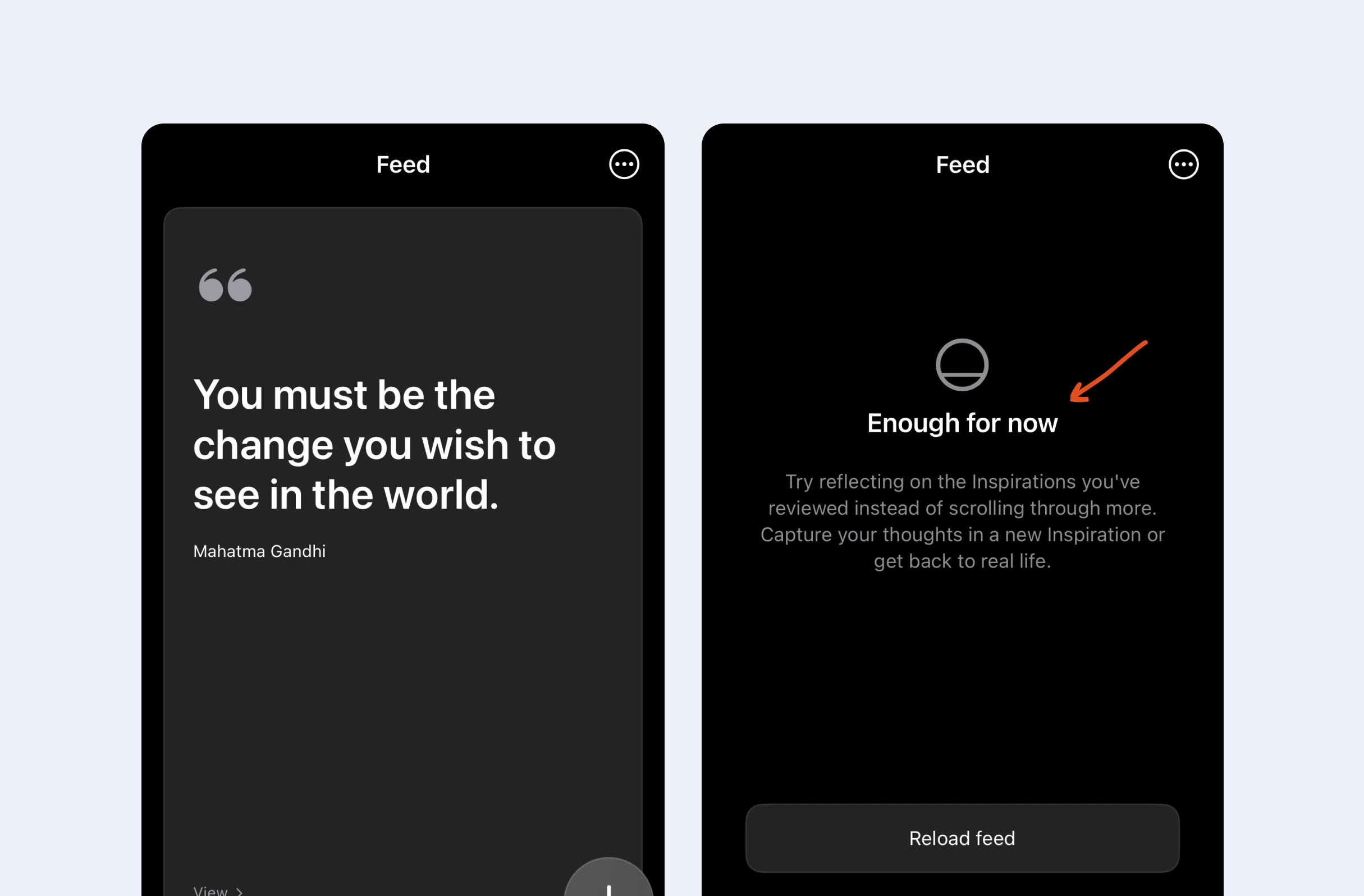
Hyperbolic discounting might make it harder to help users stick to long-term habits, as they slip into habits offering quicker, short-term rewards instead.
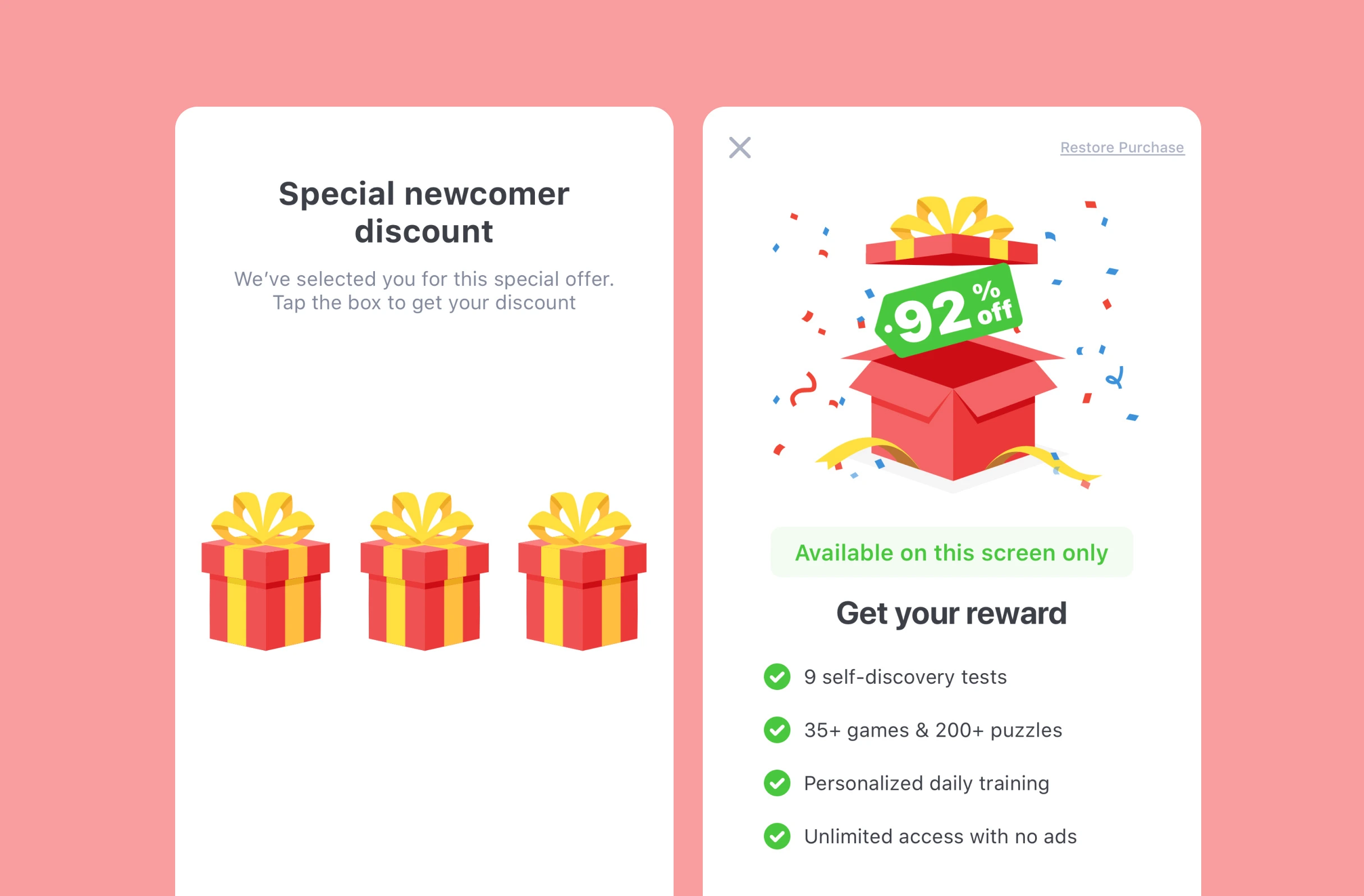
Offering small, immediate rewards could boost users' motivation to take effortful actions, as hyperbolic discounting makes instant payoffs feel more valuable.

Written by Peter Ramsey
Published: