🥅
Goal Gradient Effect
People often become more motivated, the closer they get to their goal (i.e., milestone or achievement).
Featured in 34 UX Bites
Similar psychology:
Likely impacts:
Last updated: 03/11/2026
How to utilise this in your designs
When someone backs out before finishing a daily goal, you could remind them how close they are to completing it, so the goal gradient effect gives them a reason to stay.

Example from Wiser
Try importing someone's existing activity when they create an account, so their streak starts above zero and they're already partway to their goal on day one.
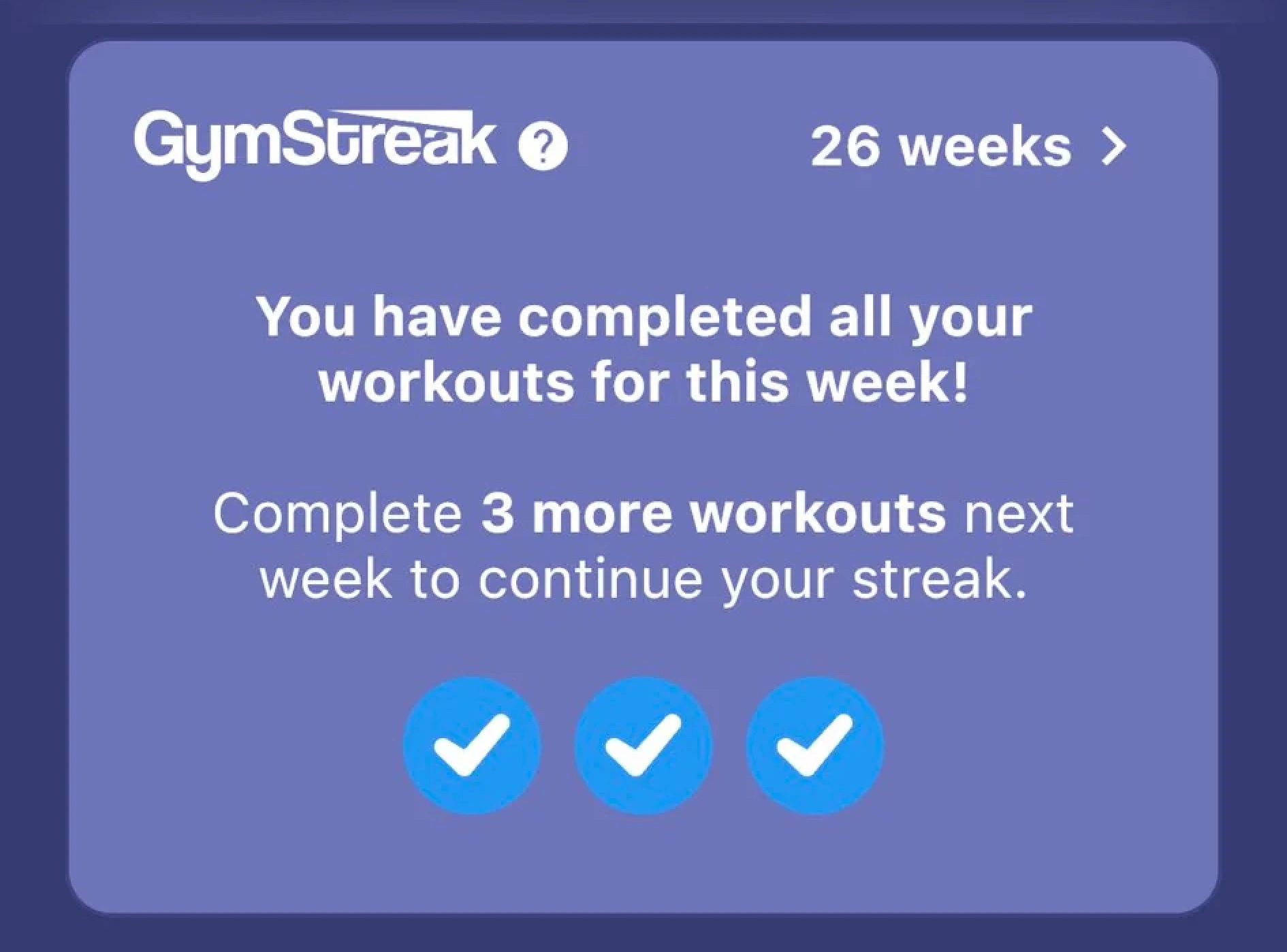
Example from Gymshark
After someone hits a first small milestone, consider framing the value of the next nearby one, e.g., a three-day streak, so the next finish line feels within reach.
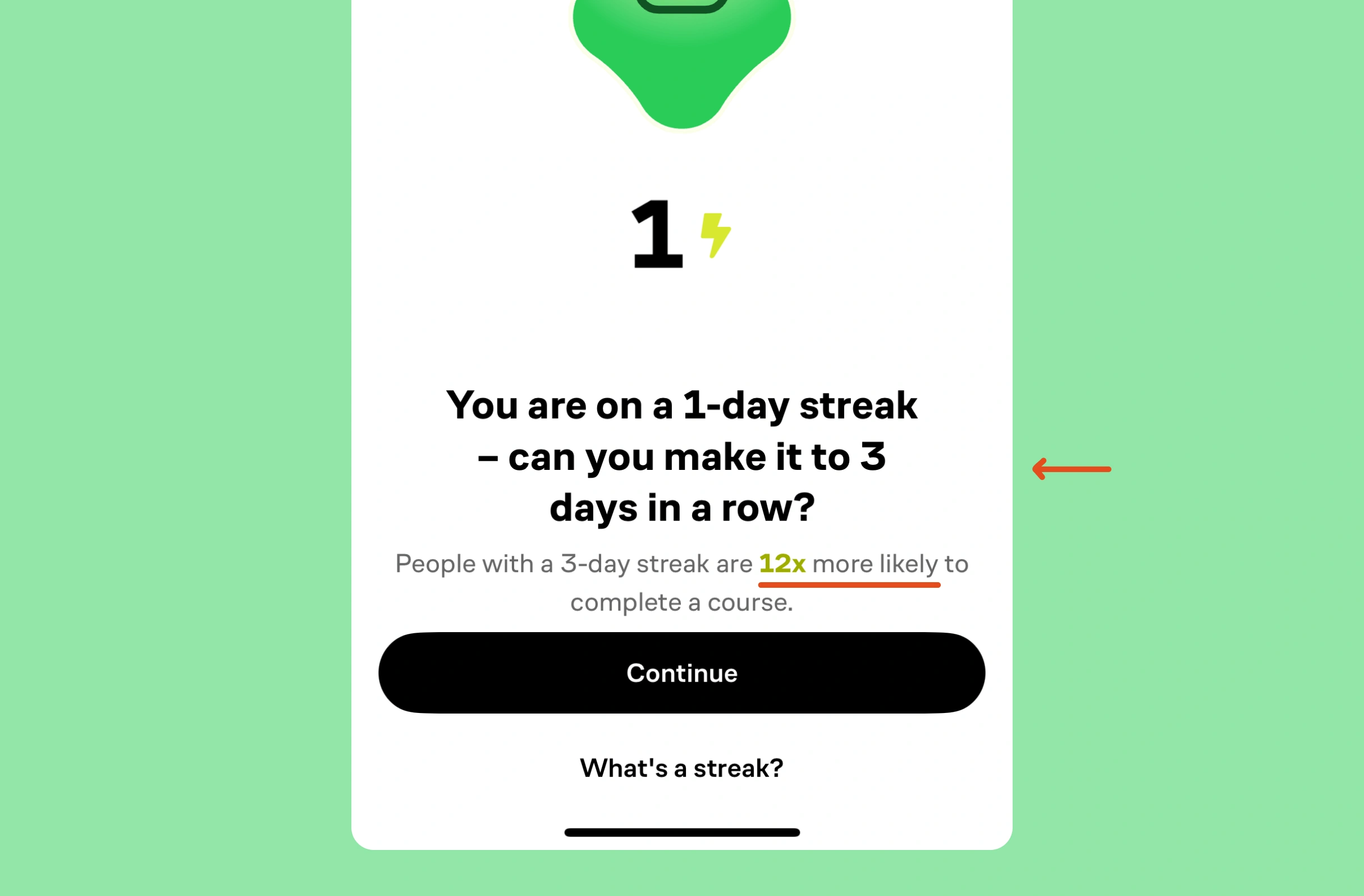
Example from Brilliant
Halfway through a lesson, it may help to pause briefly and show how much progress someone has made, so the remaining half feels shorter and worth finishing.

Example from Babbel
Where a reward like free delivery needs a minimum spend, one option is a progress bar towards the threshold, so customers see exactly how much more gets them there.
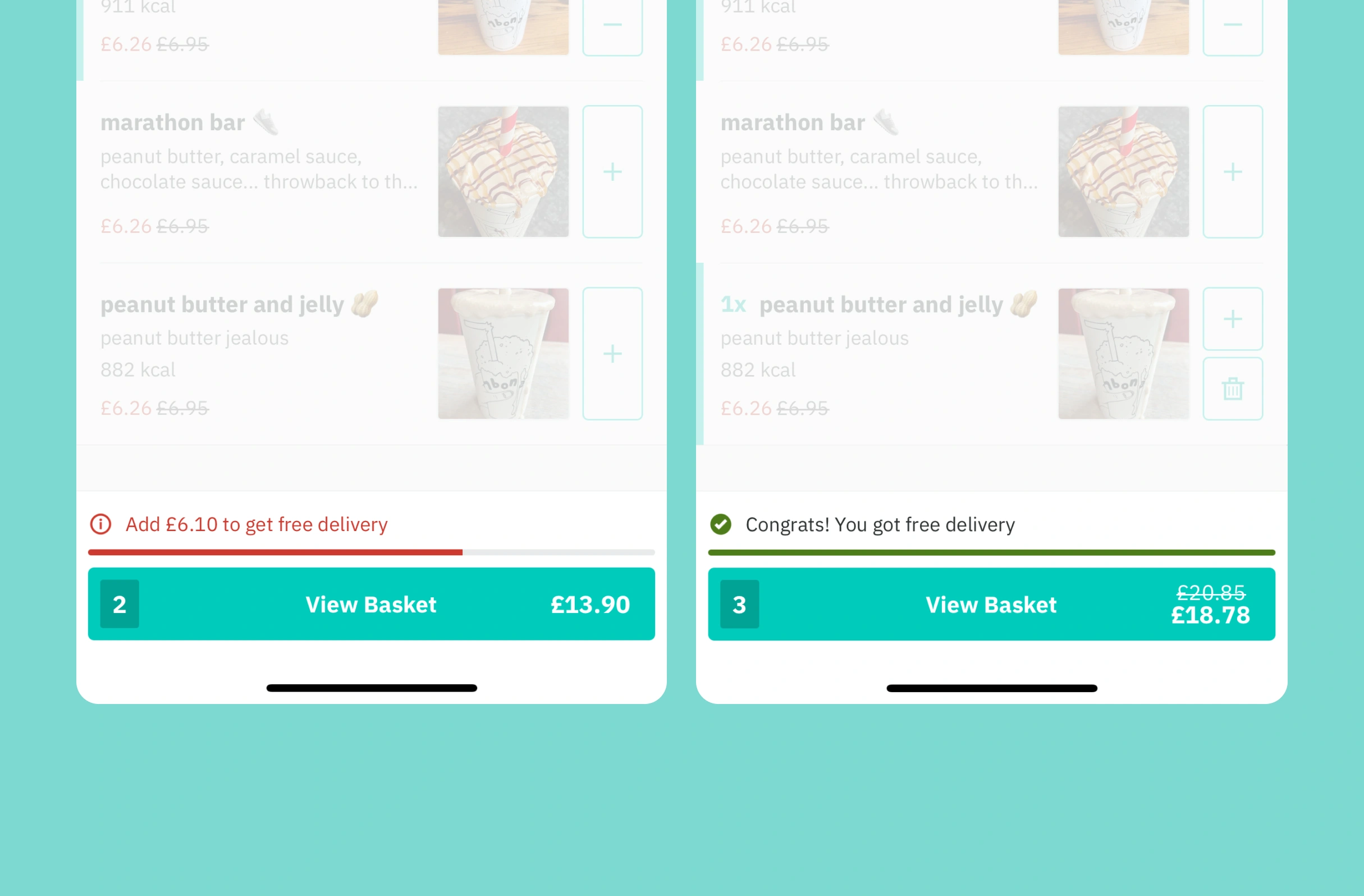
Example from Deliveroo
Possible impacts
Showing people how close they are to finishing a sign-up or purchase could lift conversion rates, as the goal gradient effect motivates them to complete it.
Framing a feature around a nearby milestone, e.g., a short streak or spend threshold, could increase how often people use it, as they push to reach the goal.
Breaking a long-term goal into nearer milestones, with the next one ready, might help users build habits, as there's always a close target to return for.
Reminding people of their progress mid-task, or as they try to leave, may raise their motivation to finish, as the end feels close enough to be worth the effort.

Written by Peter Ramsey
Published: