🦺
Delegated Decisions
There are downsides to delegating key decisions to your users.
Similar psychology:
Likely impacts:
Last updated: 03/11/2026
How to utilise this in your designs
When customers must pick a size they can't easily judge, try auto-recommending one based on the item itself, rather than delegating a guess to them.

Example from Vinted
You could pre-fill a name from the user's first piece of text and highlight it all, so the naming decision is already made but takes one keystroke to change.

Example from Google
When users choose when something should come back to them, consider adding a 'Surprise me' option, so they can hand that decision back to the product.
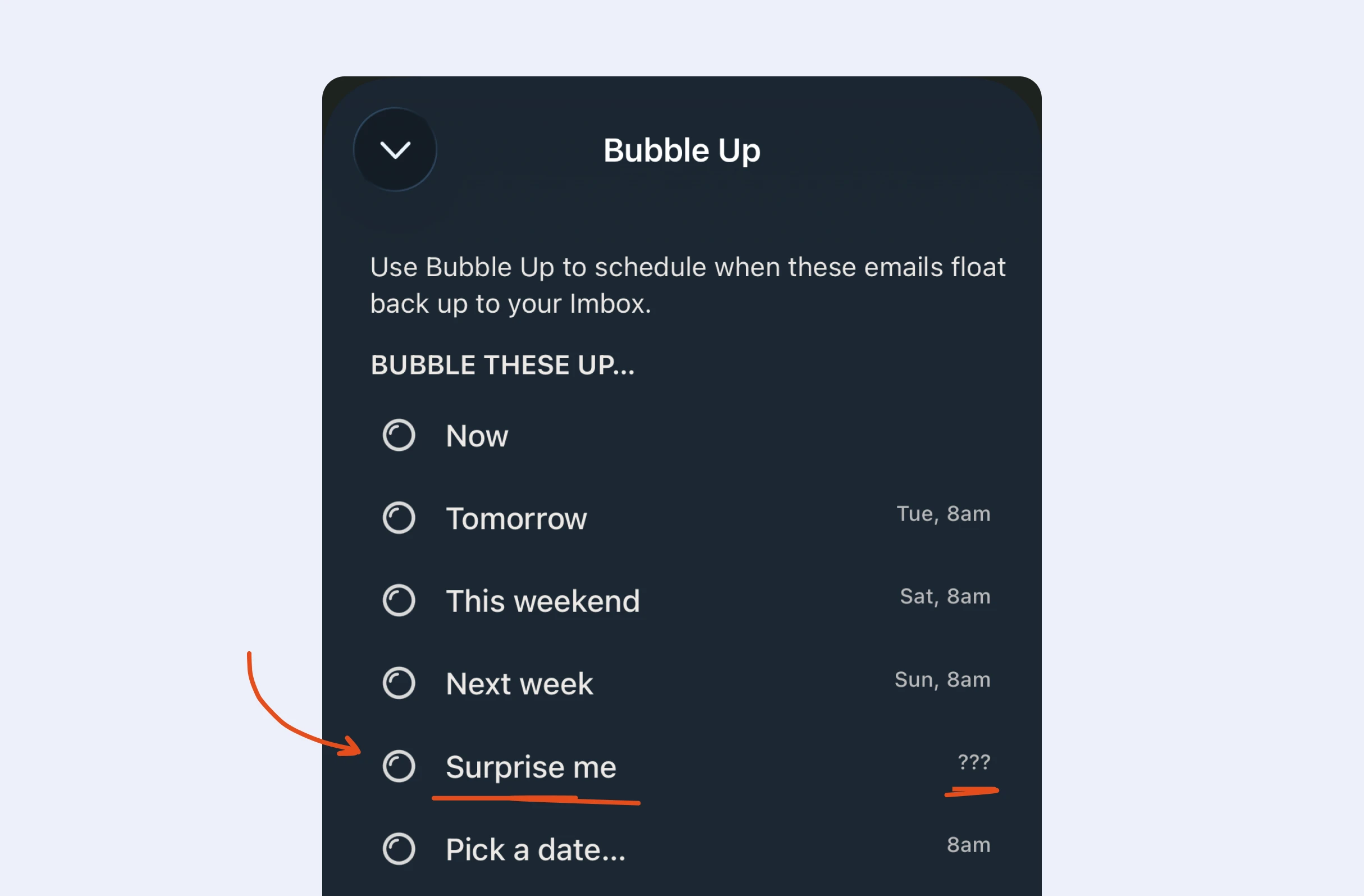
Example from Hey
If a setup step needs expert knowledge, one option is letting users hand it off to a colleague, who's sent instructions, rather than forcing a decision they can't judge.
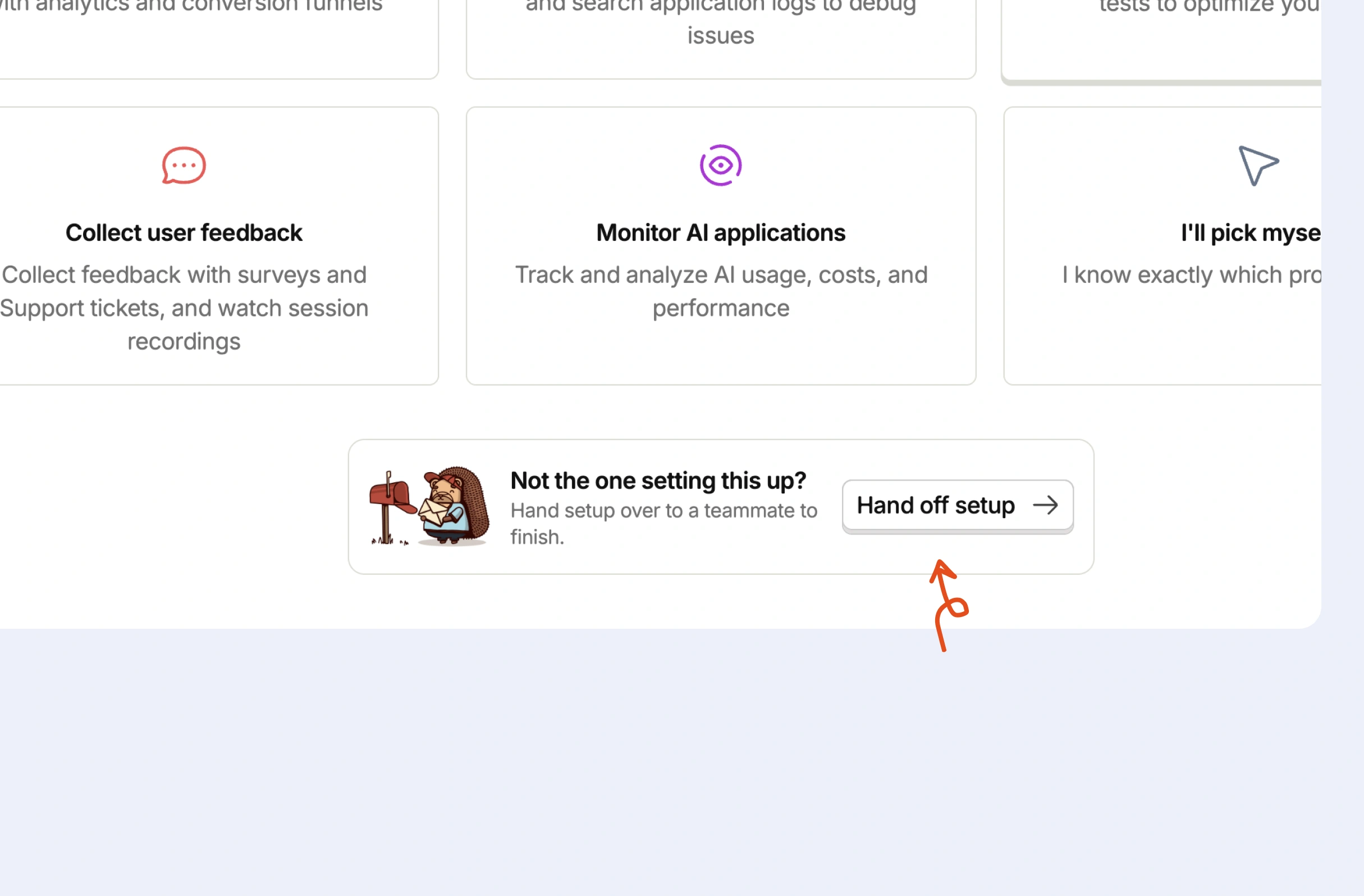
Example from Posthog
It may help to explain what a major customisation change actually means as someone makes it, so they can judge the choice rather than guess at what looks right.

Example from Nike
Possible impacts
Delegating hard setup decisions could increase churn, as users who pick the wrong settings may blame the product for an experience they configured themselves.

Making the expert decisions for users, and recommending an option first, could make the product feel simpler, as they only face choices they can actually judge.
Pre-selecting a recommended option could increase feature usage, as users who'd otherwise stall on a choice they can't judge can move straight on to using it.
Offering a few small, low-impact choices, e.g., theme or name, might raise how much users value the product, as they gain a sense of ownership without the risk.
Cutting unnecessary delegated decisions, e.g., naming or timing, could help users get through tasks faster, as there's less to stop and think about.
Asking users to make decisions they can't judge might increase anxiety about getting it wrong, while reversible choices could make a wrong pick feel less risky.


Written by Peter Ramsey
Published: