⌛️
Recency Bias
A cognitive bias, often called the 'availability heuristic', is where people will favour recent events over historic ones.
Featured in 1 UX Bite
Similar psychology:
Likely impacts:
Last updated: 03/11/2026
How to utilise this in your designs
When someone tries to cancel, you could show how much they've used it over the past 12 months, so their decision isn't shaped only by their most recent use.
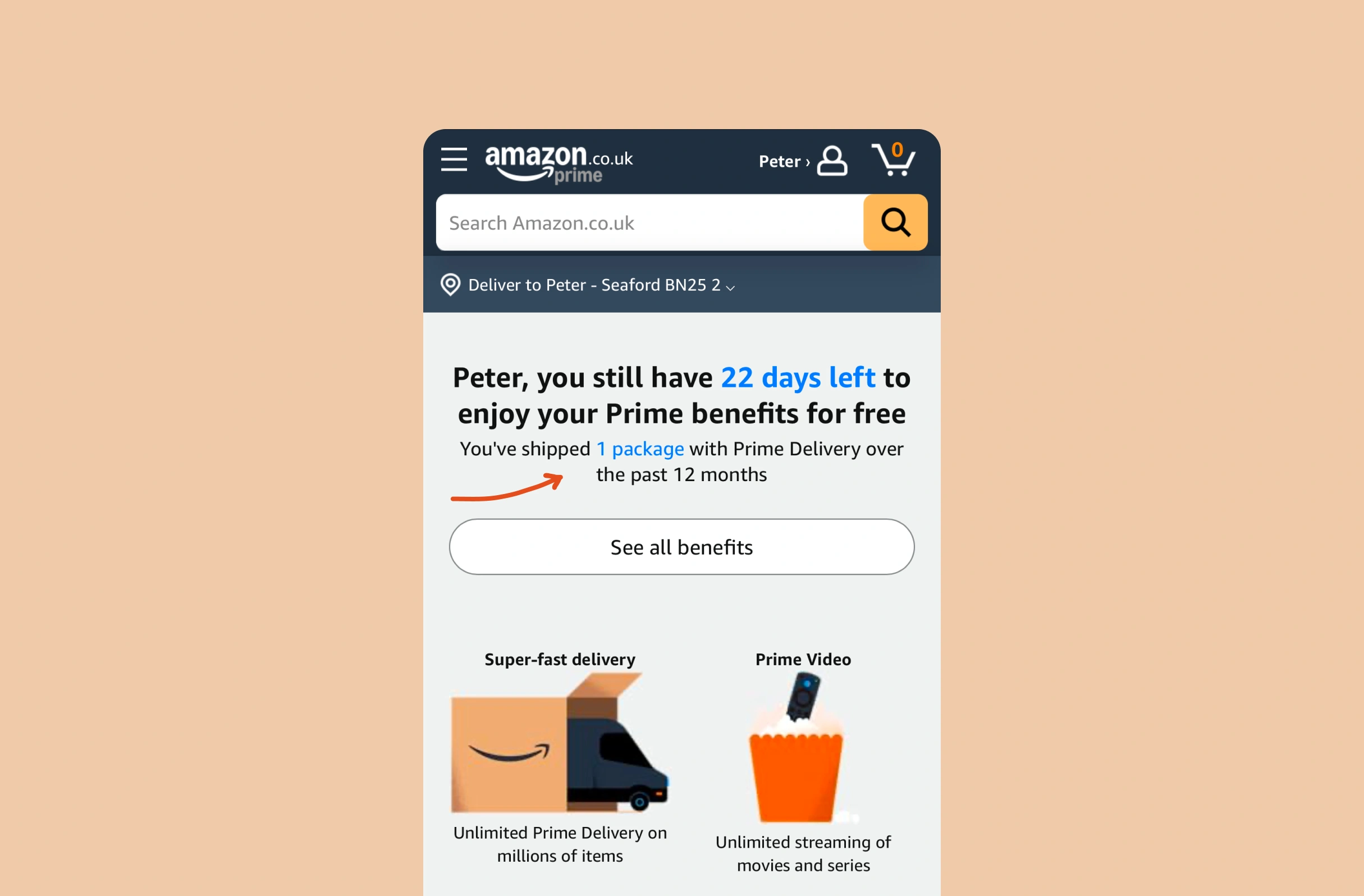
Example from Amazon
Before asking someone to upgrade, try reminding them of everything they've already done on the free plan, so value from weeks ago feels as fresh as last week's.
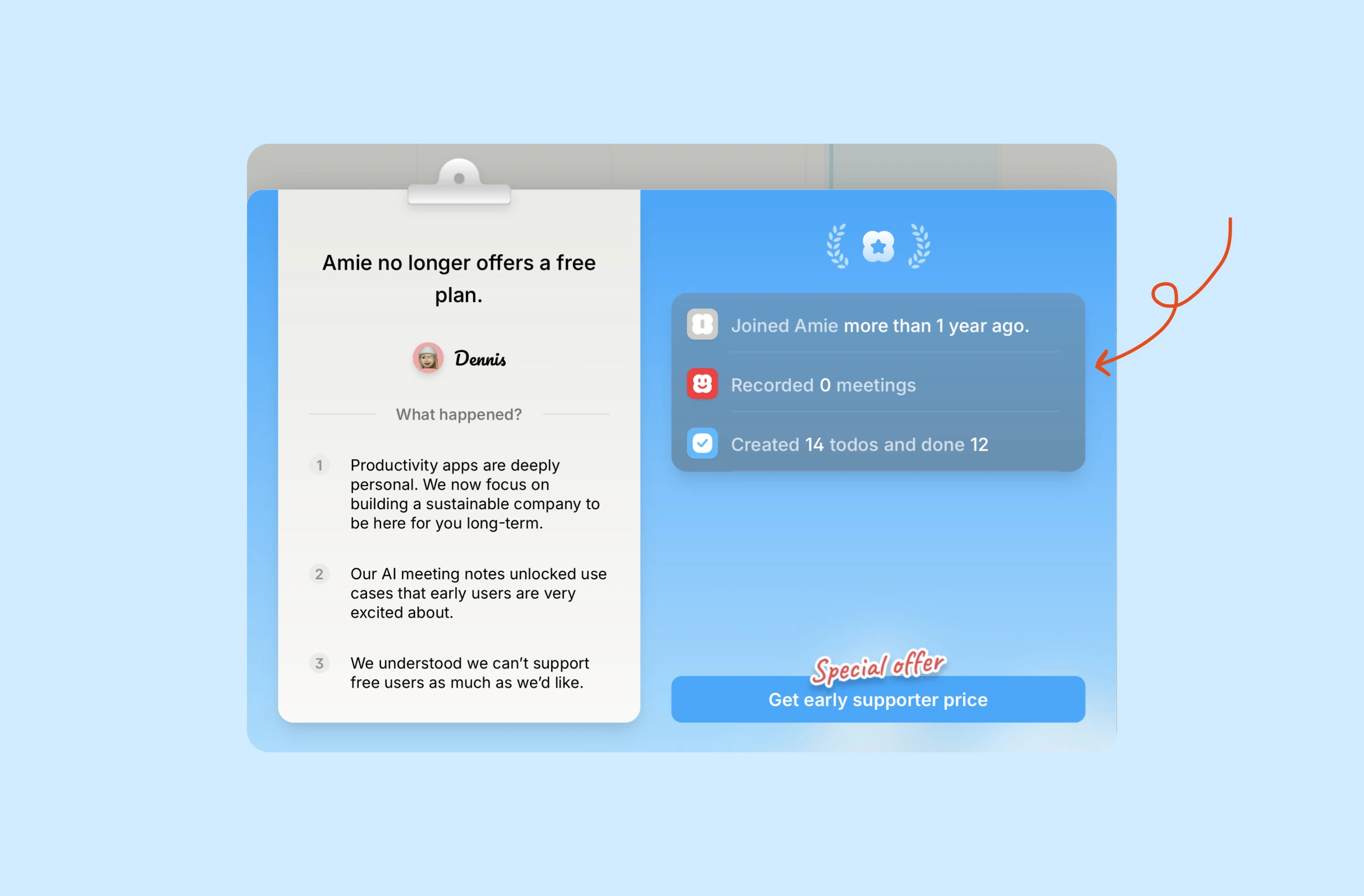
Example from Amie
Consider notifying users of background improvements, with a link to what's new, so their most recent memory of the product is of it getting better.
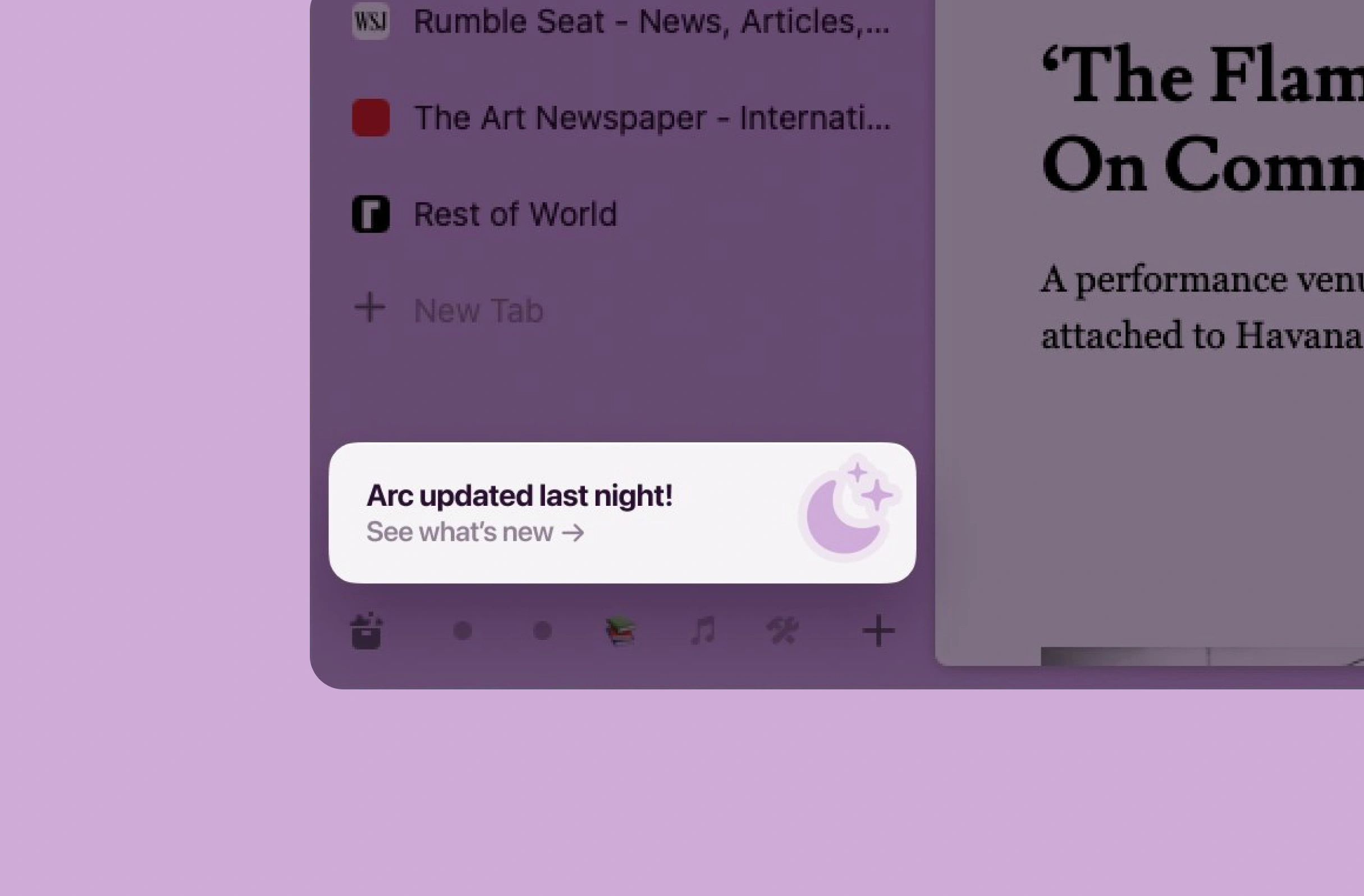
Example from Arc
One option is to warn before an undo reverses something done a while ago or on another page, as recency bias leads people to expect it to reverse their latest action.
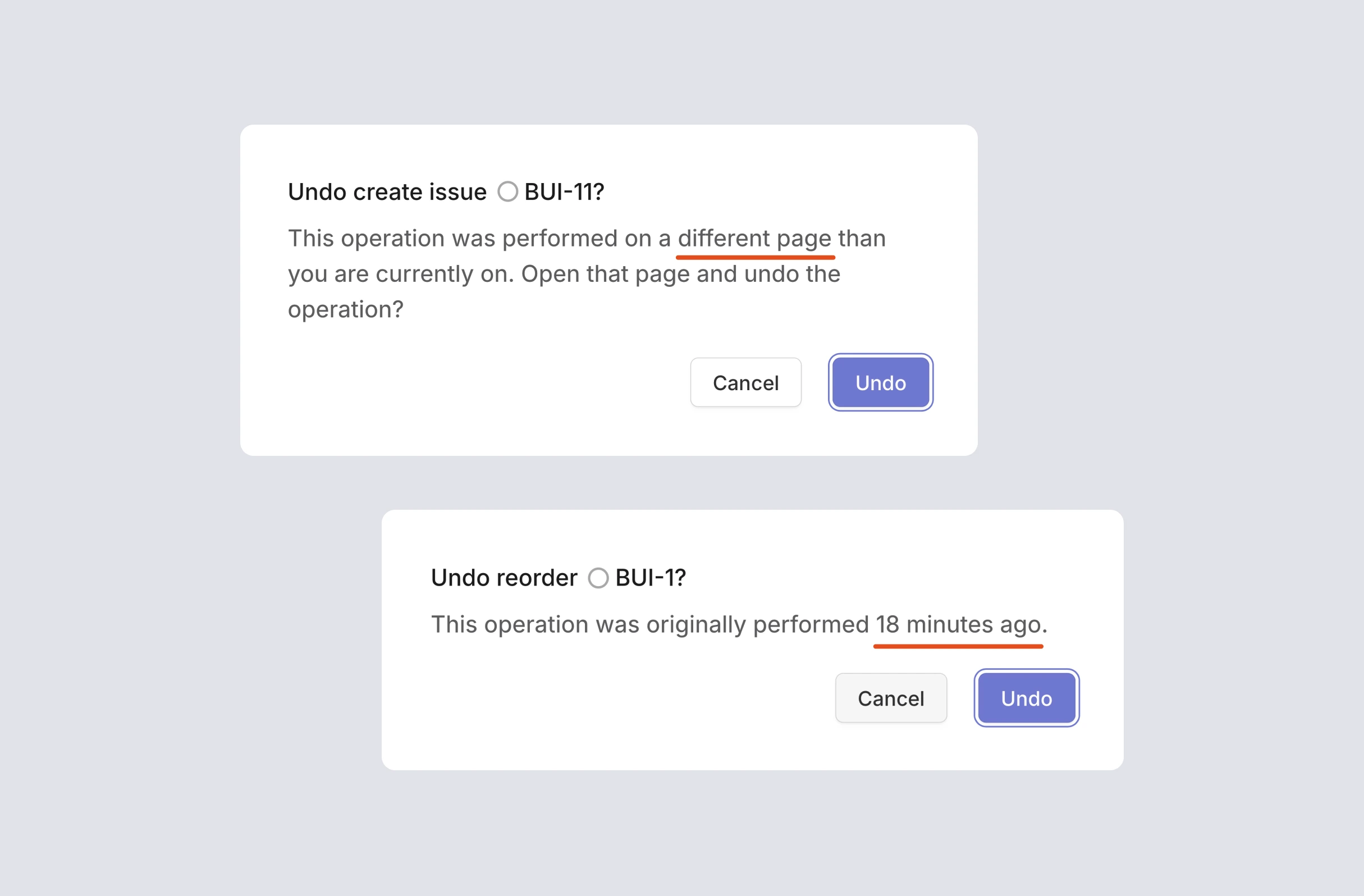
Example from Linear
Possible impacts
Showing customers what they've got over a longer period, e.g., this year's usage, could raise perceived value by balancing recency bias towards their last few visits.
Ending sessions, demos and journeys on a strong note could leave users happier with the whole experience, as recency bias lets that final moment colour their view.


A single recent bug or outage can sour how users talk about a product, so fixing it fast and following up might help avoid a drop in reviews and recommendations.


As users focus on what they did most recently, they may misjudge what an action like undo will change, which could reduce their understanding of how things work.


Recent, vivid moments stand out in users' minds, so flagging updates and what's new may draw more attention and interest towards the product's latest improvements.


Written by Peter Ramsey
Published: